
West Game II
LeyiGamesStrategy
4.51.67K Reviews
- Version
- 1.7.0
- Installs
- 1.00M
- Age Rating
- Teen
Screenshots
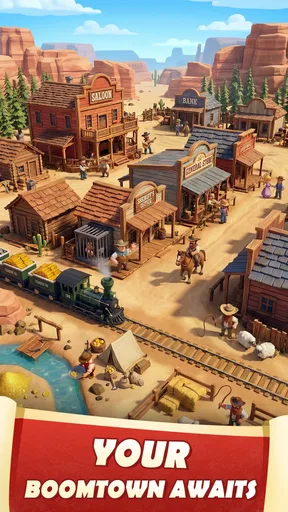
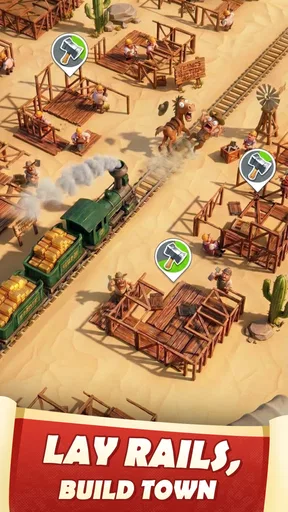
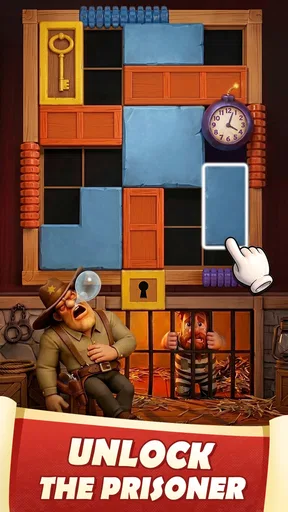
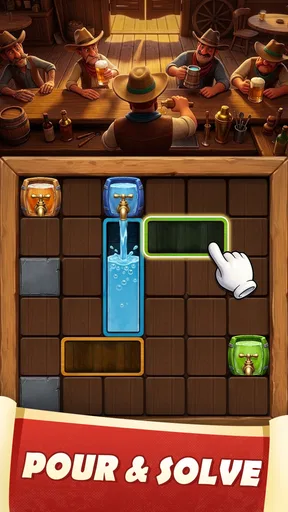
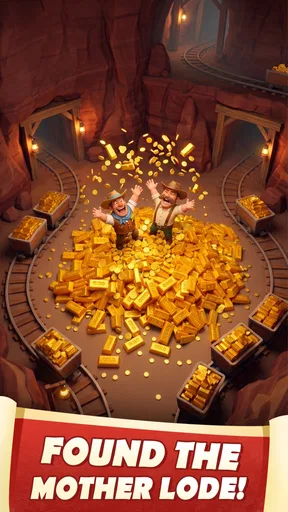
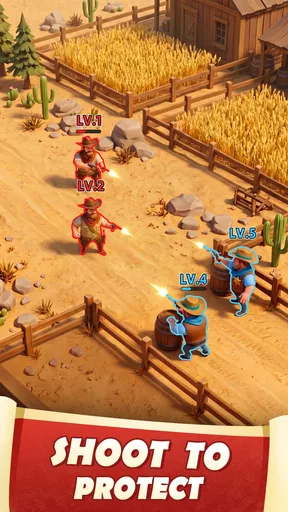
Our Review of West Game II
 Analysis by Appyee
I went into West Game II expecting a western-flavored strategy game, and that’s the right way to approach it: the appeal is less about constant action than about building up a frontier settlement and deciding how to use your resources. Its mix of town development, a posse, story quests, and player alliances gives me several reasons to return, though progress can feel gradual when I want something immediately exciting. If you enjoy planning between bursts of conflict, it has a clear draw; if you want a quick, self-contained shootout, it may not be the best match.
How the Frontier Plays in Practice
The moment you launch West Game II, you’re thrown into a dusty, sun-drenched world that feels like it’s straight out of a Clint Eastwood movie. The graphics are pretty solid, with detailed landscapes and character designs that capture the rough-and-tumble nature of the Old West. You start off as a greenhorn in a small town, tasked with building your own settlement and navigating the dangers lurking around every corner.
Expect a Strategy Pace, Not Constant Action
Now, let’s talk gameplay. This isn’t just about shooting and looting—though there’s plenty of that. The game combines elements of strategy, base-building, and role-playing, offering a well-rounded experience. You’ll spend a good chunk of your time managing resources, training your posse, and expanding your territory. It’s a bit like juggling, but once you get the hang of it, it’s pretty rewarding.
That blend shapes the speed of play. I would not approach it as a game where every minute brings a new dramatic showdown; the settlement side encourages you to think about what to develop next and how to make progress across several connected tasks. This makes short visits useful: I can check what needs attention, choose a priority, and leave the larger plans for another session. It also means the game is less satisfying if I’m looking for an action game that stays busy without asking me to manage a broader plan.
A practical habit is to decide on one goal before opening the game—such as improving the town or preparing the posse—rather than tapping around without a purpose. Strategy games with several management layers can make every option seem urgent, but switching constantly can make a session feel scattered. I find it more rewarding to pick a main task, handle the supporting decisions that directly help it, and then stop. That keeps the slower stretches from feeling like busywork.
Alliances Add a Social Commitment
One thing I particularly enjoyed was the alliance system. You can team up with other players to take down bigger threats and participate in massive PvP battles. It adds a nice layer of camaraderie and competition, which keeps things interesting. Just make sure you’ve got a reliable team, or you might find yourself on the wrong end of a six-shooter.
The social side changes what I’d expect from a session. Playing solo suits a quiet stretch of town management or quest progress, while joining alliance activity makes timing and coordination more important. If you have only a few minutes, it’s sensible to avoid starting an activity that depends on other people being available. Conversely, if you enjoy shared goals and can check in regularly, the alliance layer can give your plans a stronger sense of purpose than building alone.
This is also where I’d be selective about expectations. A competitive player may enjoy the pressure of PvP, but anyone who dislikes coordinating with strangers or feeling behind a group should treat alliance participation as a choice, not a requirement for enjoyment. The game’s appeal is broader than battles: settlement management and quests offer other ways to spend time. I’d join a group for its social fit, rather than assuming that the most active alliance is automatically the right one.
Quests Give the Management a Narrative Thread
For those who love a good narrative, West Game II doesn’t disappoint. The story is engaging and filled with twists and turns that keep you hooked. You’ll encounter a colorful cast of characters, each with their own backstories and motivations. The quests are varied and often require a mix of strategy and brute force to complete.
I found myself genuinely invested in some of the storylines, especially those involving rival gangs and corrupt sheriffs. It’s like living out your own western flick, complete with high-stakes drama and thrilling showdowns.
Quests are a useful counterweight to the open-ended feel of improving a settlement. When I’m unsure what to work toward, a story objective gives the session a clearer direction; when I’d rather make my own decisions, town development leaves room for that. The trade-off is that players who want a tightly paced, linear western plot may find the strategy and management work interrupts the narrative flow. I’d see the story as one strand of the game, not as a substitute for a dedicated story-driven adventure.
Customization Has a Practical Side
Another standout feature is the level of customization available. You can tweak your character’s appearance and gear to suit your style. Whether you’re a fan of the classic cowboy look or prefer something a bit more rugged, the options are there. Plus, upgrading your weapons and equipment adds an extra layer of depth to the gameplay.
Building and decorating your town is another way to showcase your creativity. From saloons to stables, you can design your settlement to reflect your vision of the Wild West. It’s a nice touch that makes the game feel more personal and immersive.
One useful way to think about these choices is to separate appearance from progression. Decorating is for making the town feel like yours; upgrades and equipment are the choices I’d consider when I want to strengthen the practical side of play. If I’m short on time, I’d focus on a clear development goal before spending a session tweaking the look of the settlement. If the creative side is what keeps me engaged, though, the town gives me a more personal reason to return than a succession of battles alone.
Sound, Stability, and Everyday Use
No western adventure is complete without a killer soundtrack, and West Game II delivers on that front. The music sets the mood perfectly, with twangy guitars and haunting melodies that transport you to a bygone era. The sound effects are equally impressive, from the crack of a revolver to the clatter of hooves on dusty trails. It all comes together to create an authentic atmosphere that draws you in.
On performance, I’d keep expectations measured. The strategic structure appears suited to checking in and making decisions rather than demanding nonstop action, but that alone doesn’t guarantee quick loading or smooth operation on every device. I wouldn’t promise a particular frame rate, battery use, or connection experience. If a game feels slow on your phone, it can be hard to tell whether the cause is the device, the network, or the game itself, so I’d judge it during a normal session rather than assume that a brief launch tells the whole story.
For a realistic routine, imagine opening it during a break, checking the settlement, choosing one useful task, and returning later when you have more time for quests or alliance play. That rhythm fits a game with management and social strategy better than trying to squeeze a full competitive session into every spare minute. If it closes or stalls, I’d first return to the game after a fresh launch and check whether the same issue repeats; repeated trouble matters more than one isolated hiccup. I’d also avoid leaving a long session running in the background if I’m trying to conserve battery.
West Game II is a free strategy game from LeyiGames, rated Teen, with a 4.5 average from around 40,000 ratings and over a million installs. It was released on September 28, 2025, and version 1.5.6 lists Android 6.0 as its minimum operating system. Those details make it broadly approachable for compatible Android devices, but they don’t tell me how demanding it will feel on an older phone. In practice, I’d pay attention to heat, battery drain, and whether switching between the game and other apps causes trouble on my own device.
There are in-app purchases, priced from $0.99 to $99.99 per item. That range is worth considering before settling into a game built around ongoing development: I’d decide in advance whether I’m comfortable playing at the free pace and avoid treating a purchase as a shortcut unless I know exactly what I’m buying. Players who prefer a one-time purchase with a fixed scope may be happier with a different kind of strategy game. The free entry point is convenient, but it doesn’t mean every optional purchase will feel equally worthwhile to every player.
Who Will Enjoy It—and Who May Prefer Another Game
I’d recommend it to someone who likes watching a settlement grow, weighing small strategic choices, and occasionally teaming up or competing with other players. It also suits a western fan who wants the theme to run through town-building, quests, and sound rather than appear only as a visual skin. People who prefer a leisurely game can focus on their own development; more competitive players can look toward alliances and PvP.
I’d steer away from it if your main priority is fast, reflex-heavy combat, a fully offline experience, or a short story that reaches a definite ending. Compared with a conventional action game, this asks for more patience and planning. Compared with a purely single-player town builder, the alliance and PvP elements add social pressure and competition. If you want to avoid that pressure, a single-player strategy title is likely a better fit; if you want a western narrative without ongoing management, a story-focused game will be more direct.
One non-obvious trade-off is that the same range of activities that keeps the game varied can make it difficult to know what deserves attention first. I’d keep a simple personal priority—story progress, settlement growth, or alliance participation—and let that guide my choices for a while. That is more useful than trying to optimize every part at once, especially if I play in short bursts. It also gives me a fairer sense of whether the game’s pace suits me before I decide to spend money or commit to a group.
My Take on the Frontier
So, is West Game II worth your time? If you’re a fan of the Wild West and enjoy a mix of strategy, action, and storytelling, I’d say give it a shot. The game offers a rich and engaging experience that’s sure to keep you entertained for hours on end. Sure, it has its moments of grind, but what game doesn’t?
Overall, it’s a wild ride through the frontier that’s well worth the journey. Whether you’re looking to build an empire, forge alliances, or simply cause a ruckus, West Game II has got you covered. So, dust off your boots and get ready to ride into the sunset—there’s a new adventure waiting just over the horizon.
Verdict
Strengths of West Game II
- Engaging Wild West theme and storyline.
- Varied missions keep gameplay dynamic.
- Multiplayer mode enhances social interaction.
- Customizable characters and settlements.
- Regular updates with new content.
Limitations of West Game II
- In-app purchases can become costly.
- Requires constant internet connection.
- May drain battery quickly on older devices.
- Some features locked behind paywalls.
- Occasional lag in multiplayer mode.
Other Releases by LeyiGames
View All


Similar Picks in This Category
View All
Clash of Clans
Supercell4.5

Plants vs. Zombies™
ELECTRONIC ARTS3.7

Lords Mobile: Kingdom Wars
IGG.COM4.5

Clash Royale
Supercell4.4

State.io — Conquer the World
CASUAL AZUR GAMES4.1

Car Driving School : Car Games
Spark Game Studios3.9
Frequently Asked Questions
What is West Game II about, and how does it differ from its predecessor?
West Game II is a strategy and role-playing game set in the Wild West. Players build towns, recruit gunslingers, and engage in battles with bandits and rival players. Unlike its predecessor, West Game II offers enhanced graphics, a richer storyline, and new multiplayer features, providing a more immersive and competitive experience.
Is West Game II free to play, and are there in-game purchases?
West Game II is free to download and play on both Android and iOS devices. However, it offers in-game purchases for various items and upgrades. These purchases can enhance gameplay by speeding up progress or providing exclusive content. Players can enjoy the game without spending money, but purchases can offer an edge.
What are the system requirements for West Game II on mobile devices?
West Game II requires a minimum of Android 5.0 or iOS 10.0. The game is optimized for both smartphones and tablets, but for the best experience, a device with at least 2GB of RAM is recommended. Ensure you have enough storage space, as the game may require additional downloads for updates.
Can West Game II be played offline, or is an internet connection necessary?
West Game II requires an internet connection to play. The game features real-time multiplayer interactions, events, and updates that rely on online connectivity. While some elements may be available offline, core gameplay and features will not function without internet access.
How does multiplayer interaction work in West Game II?
In West Game II, multiplayer interaction includes forming alliances with other players, participating in collective battles, and competing in global leaderboards. Players can chat, trade resources, and strategize with friends and other gamers worldwide, making teamwork and diplomacy crucial for success.
Play our best games!


